Compare Local Contractors for Boundary Fence Installation Services
Compare local contractors for boundary fence installation to define project scope, verify experience, and set clear expectations in writing for a successful outcome.
Boundary fence installation projects typically involve setting up a physical barrier along the perimeter of a property to establish clear boundaries, enhance privacy, and improve security. This work can include various materials such as wood, vinyl, chain-link, or metal panels, depending on the property owner’s preferences and needs. Contractors may handle tasks ranging from site preparation and foundation work to framing, panel installation, and finishing touches. Clarifying the scope of work ensures that all parties understand what is included, whether it’s installing a new fence, replacing an existing one, or adding features like gates or decorative elements.
Defining the scope of boundary fence installation is essential for setting expectations and avoiding misunderstandings. A detailed scope outlines the specific tasks involved, the materials to be used, and any preparatory work required. It also helps property owners communicate their priorities and preferences clearly to contractors, which can influence the project’s overall quality and outcome. Having a written scope can serve as a reference point throughout the project, ensuring that the work aligns with initial plans and that any changes are agreed upon in advance.
When comparing local contractors for boundary fence installation, property owners should consider experience, reputation, and the range of services offered. Verifying how long a contractor has been working in the area and reviewing any available references can provide insights into their reliability and expertise. It’s also helpful to review how contractors handle project planning, including how they define scope and communicate expectations. Gathering information about their previous work and clarifying what is included in their services can help property owners make informed decisions and choose a service provider that aligns with their project needs and standards.
Compare local contractors by outlining your priorities, verifying experience, and clearly defining project expectations in writing.
- Compare Contractors - Review multiple service providers to find the best match for boundary fence installation needs.
- Define Scope Clearly - Establish detailed project specifications to ensure all parties understand the work involved.
- Verify Experience - Check the background and previous work of local contractors to assess their capability.
- Document Expectations - Put all project details and agreements in writing to prevent misunderstandings.
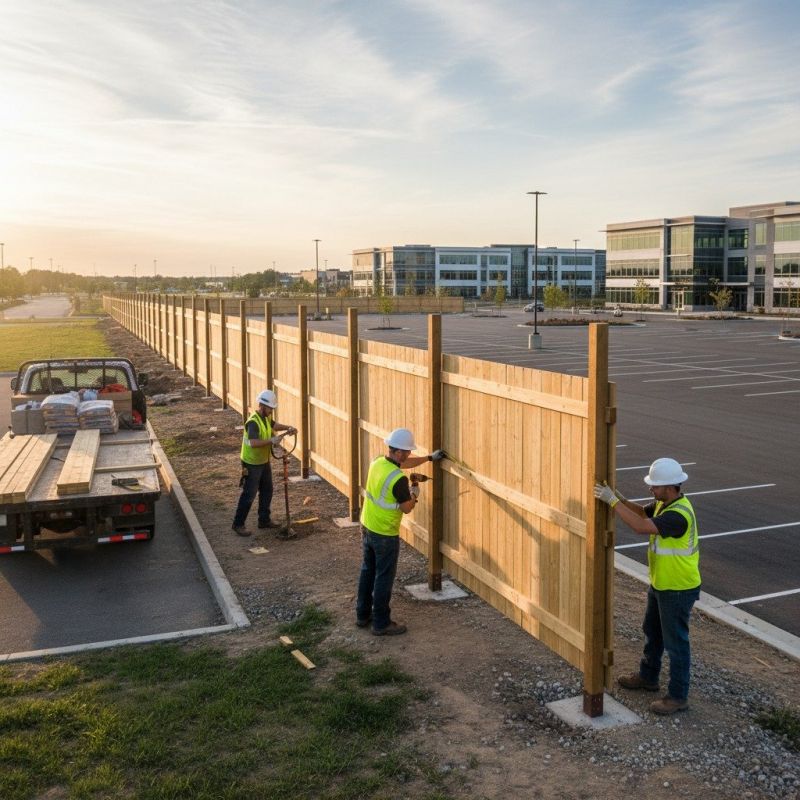
Clearly describe your boundary fence project and compare local contractors based on experience and scope.
- Verify experience and references of local contractors for boundary fence installation. - Ensure service providers have a proven track record with similar fencing projects.
- Define the scope of work clearly in writing, including materials, fence height, and property boundaries. - Clarify expectations to prevent misunderstandings during the project.
- Check that contractors understand local zoning and property line regulations. - Confirm they are knowledgeable about any restrictions affecting fence placement.
- Request detailed written estimates outlining the scope, materials, and responsibilities. - Use these to compare services and ensure transparency.
- Confirm that contractors will handle necessary permits or provide guidance on permit requirements. - Ensure compliance with local codes before installation begins.
- Discuss site preparation and post-installation cleanup expectations with local service providers. - Clarify responsibilities to maintain property standards.
Compare local contractors’ experience and clarify project scope to ensure your boundary fence meets expectations.
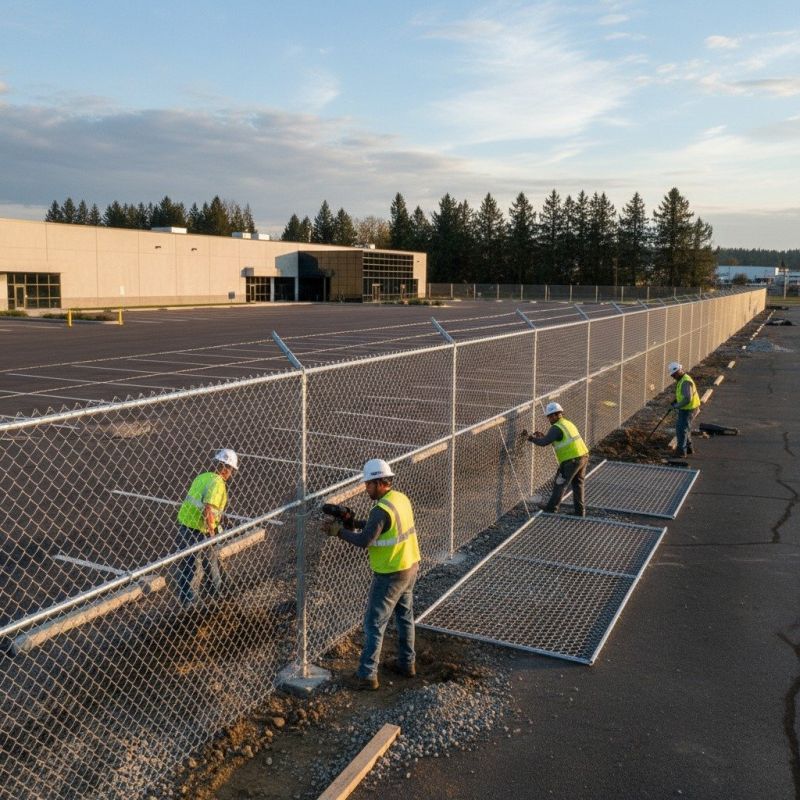
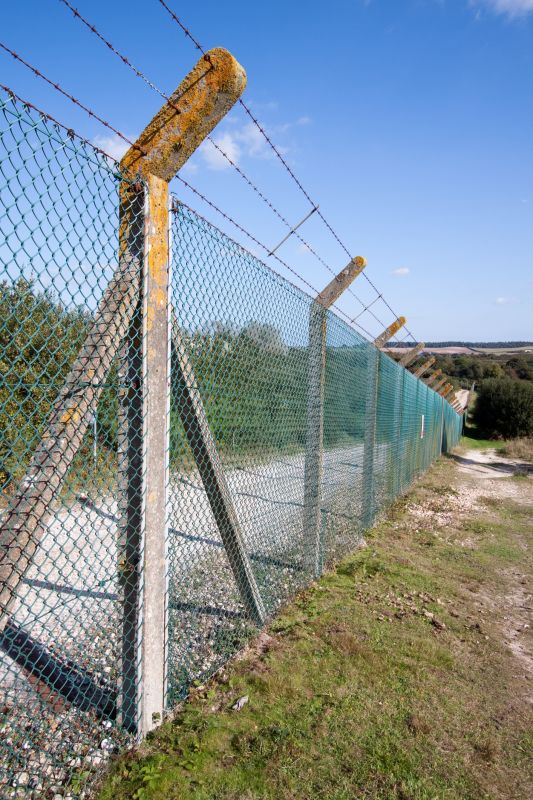
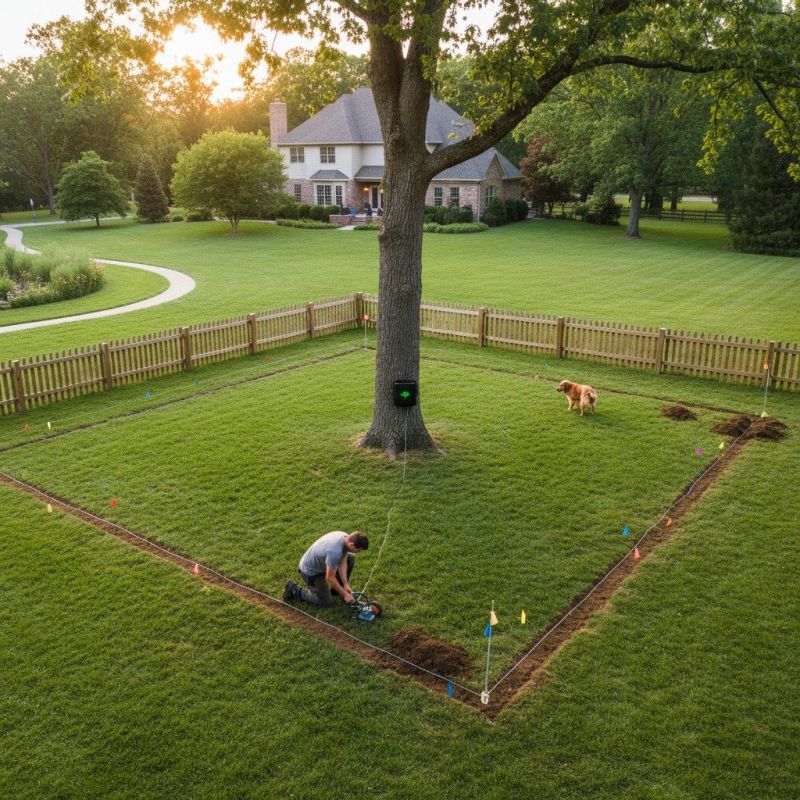

This section guides you on comparing local contractors for boundary fence installation by clarifying scope, experience, and expectations.
- Property boundaries - clearly identify and mark the exact property lines where the fence will be installed.
- Fence materials - specify the type and quality of fencing materials preferred for the project.
- Design and height - define the desired fence design, style, and height to meet property and aesthetic requirements.
- Installation scope - outline the extent of the installation, including gate placement and any additional features.
- Site conditions - assess and document the existing site conditions that may affect installation, such as terrain or obstacles.
When comparing contractors for boundary fence installation, it is important to consider their experience with similar projects. Service providers who have a proven track record of installing fences in environments comparable to the site in question can offer valuable insights into potential challenges and effective solutions. Asking about past projects that resemble the scope and terrain of the current job can help gauge a contractor’s familiarity with the work, ensuring they understand the specific requirements involved in boundary fencing.
A clear, written scope of work is essential when evaluating different contractors. This document should outline the specific tasks to be completed, the materials to be used, and the expected deliverables. Having a detailed scope helps prevent misunderstandings and provides a basis for comparing different proposals. It also serves as a reference point throughout the project, ensuring that all parties have a shared understanding of what the work entails and reducing the likelihood of disputes or scope creep.
Verification basics involve confirming that service providers have the necessary experience and a solid reputation for boundary fence installation. This can include reviewing their project portfolio, checking references from previous clients, and verifying that they have a history of completing similar projects successfully. Additionally, understanding their process for handling unforeseen issues or site-specific challenges can provide confidence in their ability to deliver quality results. While licensing and certification are not discussed here, these verification steps help establish trust in a contractor’s reliability and competence.
Evaluating options without focusing on prices involves assessing the quality of proposals, the clarity of scope, and the experience of each service provider. Consider how well each contractor understands the project requirements and whether their approach aligns with the desired outcome. It is also helpful to compare the level of detail in their written proposals and to seek clarity on timelines, materials, and methods. By focusing on these aspects, homeowners can make informed decisions that prioritize quality and suitability, leading to a more successful boundary fence installation.
Ask contractors to provide written scope details to ensure clear expectations and consistent project understanding.
- Experience and Credentials - What experience do local contractors have with boundary fence installation projects similar to yours?
- Scope of Work - How do contractors define the scope of the fence installation to ensure all aspects are covered?
- Materials and Design - What options for materials and design features do local service providers recommend for your property?
- Project Expectations - How do contractors clarify the project's scope and deliverables in written agreements?
- Comparison Factors - What criteria should be used to compare different local contractors beyond pricing and timelines?
How can I compare boundary fence installation contractors? Review their experience, ask for references, and ensure they provide clear written estimates to make an informed comparison.
What should I consider when defining the scope of my fence project? Clearly outline the desired fence type, length, height, materials, and any additional features to ensure contractors understand your expectations.
How do I verify a contractor’s experience with boundary fences? Request details about past projects, check references, and look for contractors who specialize in fence installation to ensure relevant expertise.
Why is it important to have the project scope in writing? Having a detailed scope in writing helps prevent misunderstandings, sets clear expectations, and provides a record of agreed-upon work.
What questions should I ask potential contractors before hiring? Ask about their experience, methods, materials used, warranties, and how they handle unforeseen issues during installation.
How can I ensure the contractor understands my fencing needs? Communicate your goals clearly, provide any necessary site information, and confirm that the scope and expectations are documented before work begins.
Understanding the key aspects of boundary fence installation can help in making informed decisions. Visitors learned how to define the scope of their project, verify the experience of local contractors, and emphasize the importance of having clear agreements in writing. This approach ensures expectations are aligned and helps in comparing different service providers effectively.
To find the right contractor for boundary fence installation, using the quote form to connect with local service providers is recommended. This step allows for easy comparison of options, enabling homeowners to evaluate their choices based on experience and scope of work. Taking the time to gather information ensures a more confident selection of local contractors suited to the project’s needs.